Security Through Change Management
A comprehensive deep dive into how rigorous change management protects systems throughout every phase of the software update lifecycle, from vulnerability triage to progressive deployment and automated rollback.
An in-depth guide to bare metal (Type 1) virtualization, exploring how it works, real-world implementations, and the unique security challenges it presents for Blue Teams.
A deep dive into the world of intrusion detection and prevention systems. Understand the critical differences, functionalities, and use cases of IDS, IPS, HIDS, and HIPS in modern cybersecurity.
A comprehensive, technical exploration of malware decomposition, guiding security analysts through static, dynamic, memory, and code analysis phases to dissect complex binaries.
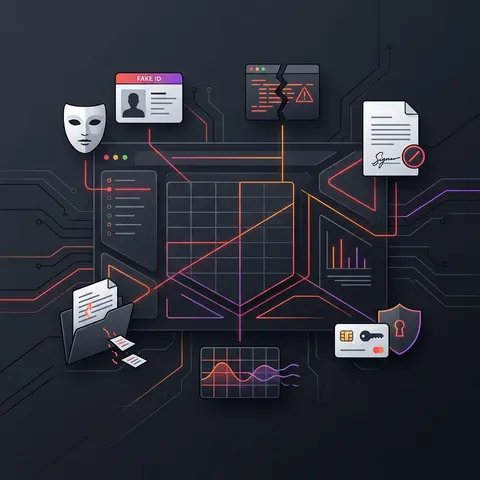
A comprehensive deep dive into the STRIDE threat modeling framework, exploring Spoofing, Tampering, Repudiation, Information Disclosure, Denial of Service, and Elevation of Privilege, complete with mitigation strategies and practical implementation techniques.
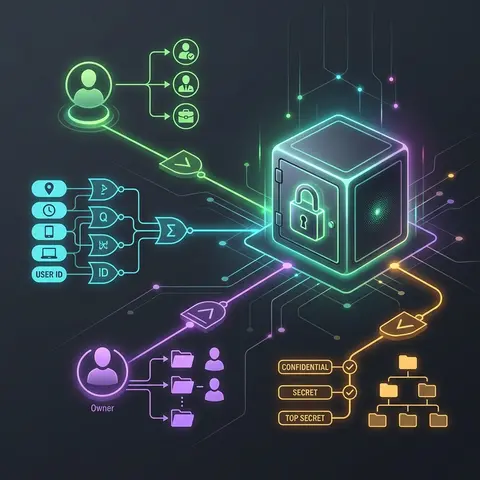
An in-depth analysis of Discretionary, Mandatory, Role-Based, and Attribute-Based Access Control models, their pros and cons, and real-world deployment scenarios.
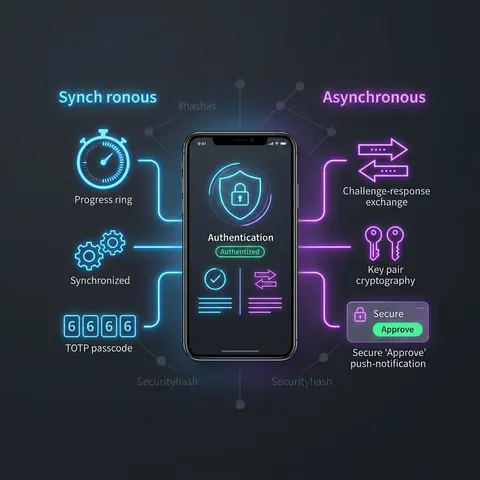
Learn how software tokens work in modern authentication systems, the differences between synchronous and asynchronous token mechanisms, real-world use cases, security considerations, and implementation best practices.
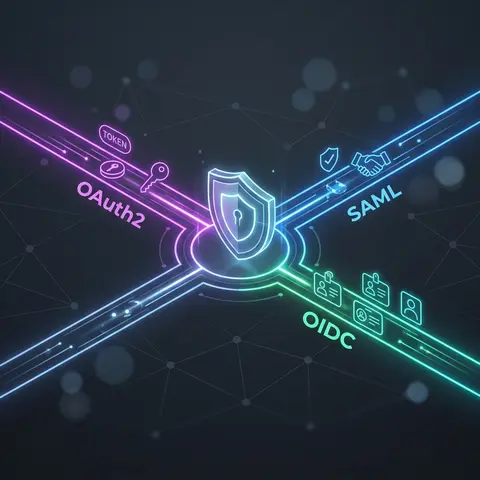
A comprehensive technical breakdown of SAML, OAuth 2.0, and OpenID Connect (OIDC), explaining their core mechanics, how they differ, and how they interoperate in modern identity architectures.
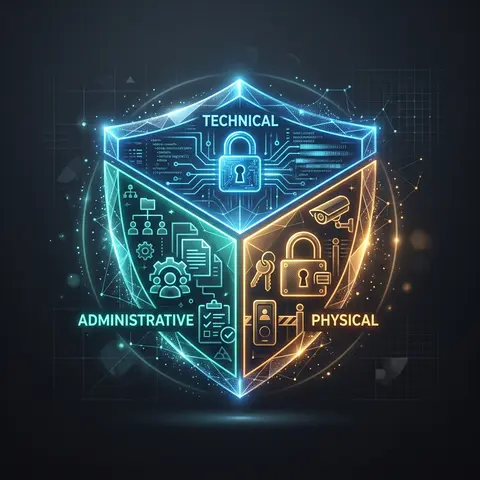
An in-depth exploration of the three classes of cybersecurity controls, their operational mechanics, and how they function together to secure modern enterprise environments.
An in-depth exploration of Cognitive Security, analyzing how modern threat actors exploit cognitive biases, generative AI, and narrative warfare to manipulate human judgment, and outlining the multi-layered defensive frameworks needed to build cognitive resilience.